Tracing Player Data Patterns That Shape Custom Bonus Structures Across Wireless Reel and Dealer Formats
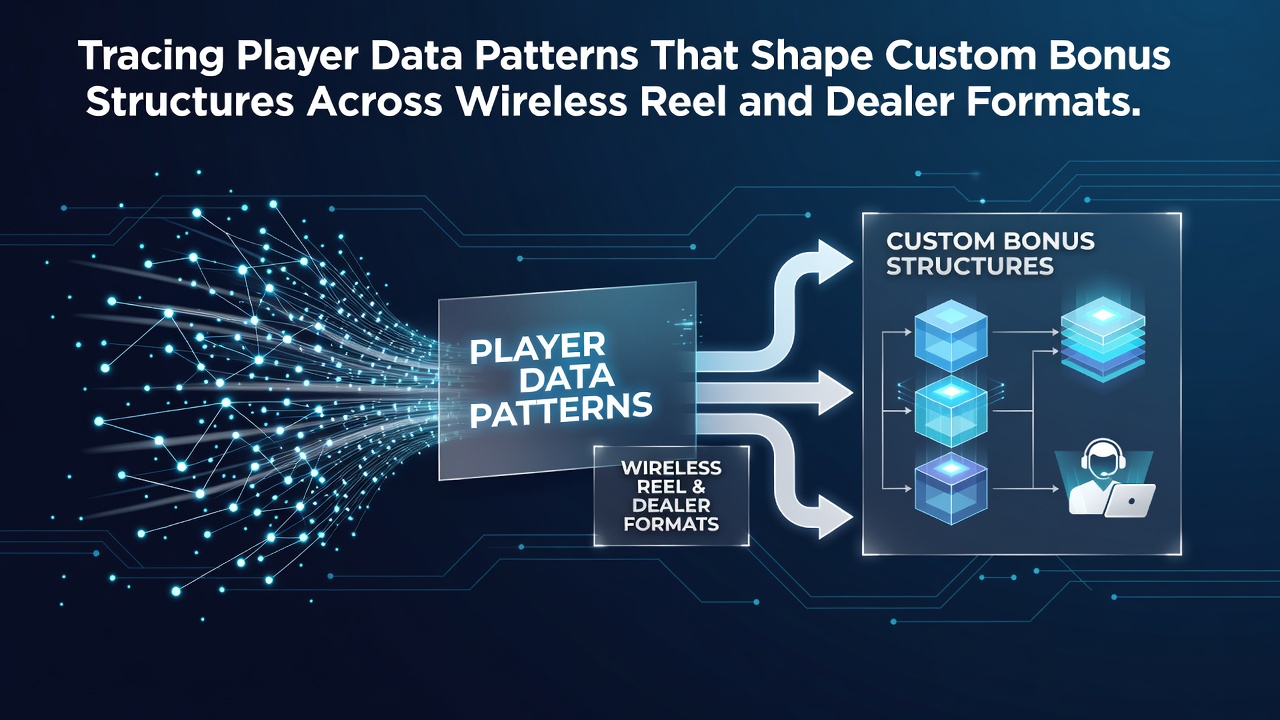
Data Gathering Across Mobile Platforms
Operators collect extensive behavioral metrics from wireless reel sessions and live dealer tables, tracking spin frequency, bet sizing sequences, session duration, and interaction timing with dealer prompts. These datasets feed into algorithms that identify preference clusters, allowing platforms to generate tailored bonus offers such as free spin packages aligned with high-volatility reel patterns or timed dealer table credits based on engagement streaks. Research indicates that reel-focused players often exhibit rapid decision cycles while dealer participants display extended observation periods before placing wagers, creating distinct segmentation opportunities for custom structures.
Wireless reel formats generate granular logs of reel stop positions and feature trigger rates, whereas dealer environments capture chat response latency and multi-hand participation rates. Analysts combine these streams to detect when a player shifts from conservative single-hand dealer play to aggressive reel chasing, prompting automated bonus recalibrations that match the emerging pattern without manual intervention.
Pattern Recognition in Reel Versus Dealer Interactions
Studies from industry research groups reveal that reel players frequently cluster around bonus round entry points and multiplier accumulation thresholds, while dealer participants show stronger correlations with table minimum adjustments and side bet selections. Custom bonus structures emerge when systems map these clusters to individual accounts, delivering reel-specific reload offers during detected downtime or dealer loyalty credits following consecutive winning hands. Data shows that cross-format players who alternate between both formats produce hybrid patterns, leading operators to blend reel volatility bonuses with dealer session extensions within the same promotional cycle.
What's interesting is how time-of-day activity and device type further refine these patterns, with mobile reel sessions peaking during commute windows and dealer tables gaining traction in evening stationary periods. Algorithms adjust bonus parameters accordingly, increasing reel match bonuses for afternoon users while extending dealer table time credits for nighttime participants who maintain longer connection stability.
Customization Mechanisms and Platform Implementation
Platforms deploy machine learning models that process real-time data feeds to recalibrate bonus eligibility criteria, wagering contribution weights, and expiry intervals. When patterns indicate preference for progressive reel features, systems prioritize jackpot-linked bonuses, whereas consistent dealer table activity triggers cashback structures scaled to average bet sizes observed over recent sessions. Observers note that these adjustments occur seamlessly across verified portable applications, maintaining compliance with jurisdictional requirements while enhancing retention metrics.
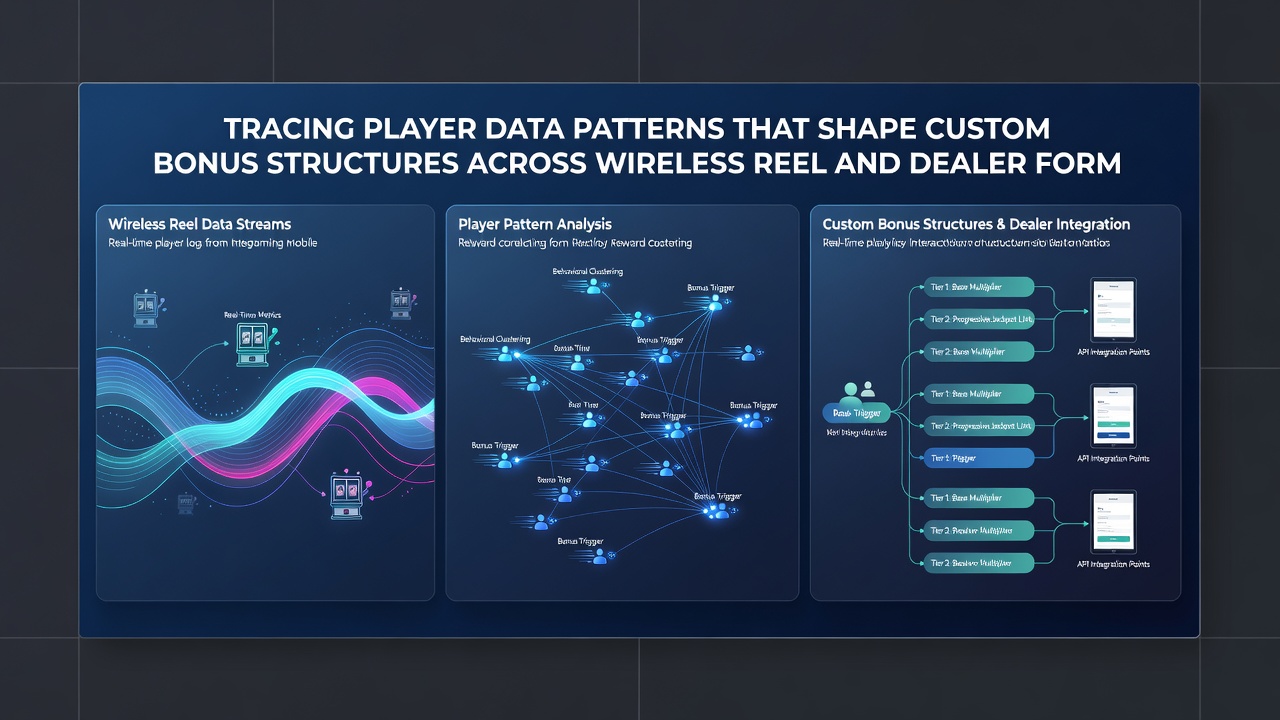
Integration between reel and dealer data streams enables unified player profiles that carry across formats, so a bonus earned through reel activity can convert into dealer table credits and vice versa. This cross-pollination relies on standardized tracking protocols that record both automated reel spins and human-moderated dealer decisions within compatible data schemas.
Regulatory Context and June 2026 Developments
Regulatory bodies in multiple jurisdictions continue to refine standards for data usage in bonus personalization, with updates scheduled for implementation in June 2026 that emphasize transparency in algorithmic decision-making. Canadian Gaming Association reports highlight how operators must document the data points influencing each custom bonus offer, ensuring players receive clear explanations upon request. These requirements apply equally to wireless reel and dealer formats, prompting platforms to embed audit trails within their analytics pipelines.
Additional guidance from research institutions such as those affiliated with Australian universities examines long-term effects of data-driven bonuses on play duration and expenditure patterns, providing frameworks that operators reference when designing structures for cross-format audiences. Figures reveal gradual shifts toward opt-in data sharing models that allow players to select which behavioral metrics contribute to their personalized offers.
Cross-Format Engagement Outcomes
Evidence suggests that players receiving bonuses aligned with their documented patterns demonstrate higher completion rates for associated playthrough conditions compared to generic promotions. Reel-dominant users respond more readily to feature-triggered rewards, while dealer participants show elevated return rates when bonuses incorporate table-specific multipliers. Systems that successfully trace these distinctions maintain separate yet interconnected bonus ledgers that update dynamically as players transition between formats during single sessions.
Deployment of these tracing methods continues to expand among major operators, supported by infrastructure upgrades that handle increased data volumes from both reel automation and dealer interaction logging. The resulting structures reflect aggregated trends rather than isolated events, producing offers that scale with verified behavioral history across wireless environments.
Conclusion
Player data patterns serve as the foundation for evolving custom bonus structures that differentiate between wireless reel mechanics and live dealer dynamics while supporting unified player experiences. Continued refinement of these systems aligns with emerging regulatory timelines, including those effective in June 2026, and draws on analytical inputs from diverse regional sources to maintain consistency across portable platforms. The process remains grounded in measurable metrics that operators apply to generate relevant offers without requiring separate campaigns for each format.