The Development of Self-Regulatory Mechanisms in Portable Casino Applications: Linking Game Mechanics to User Well-being Indicators
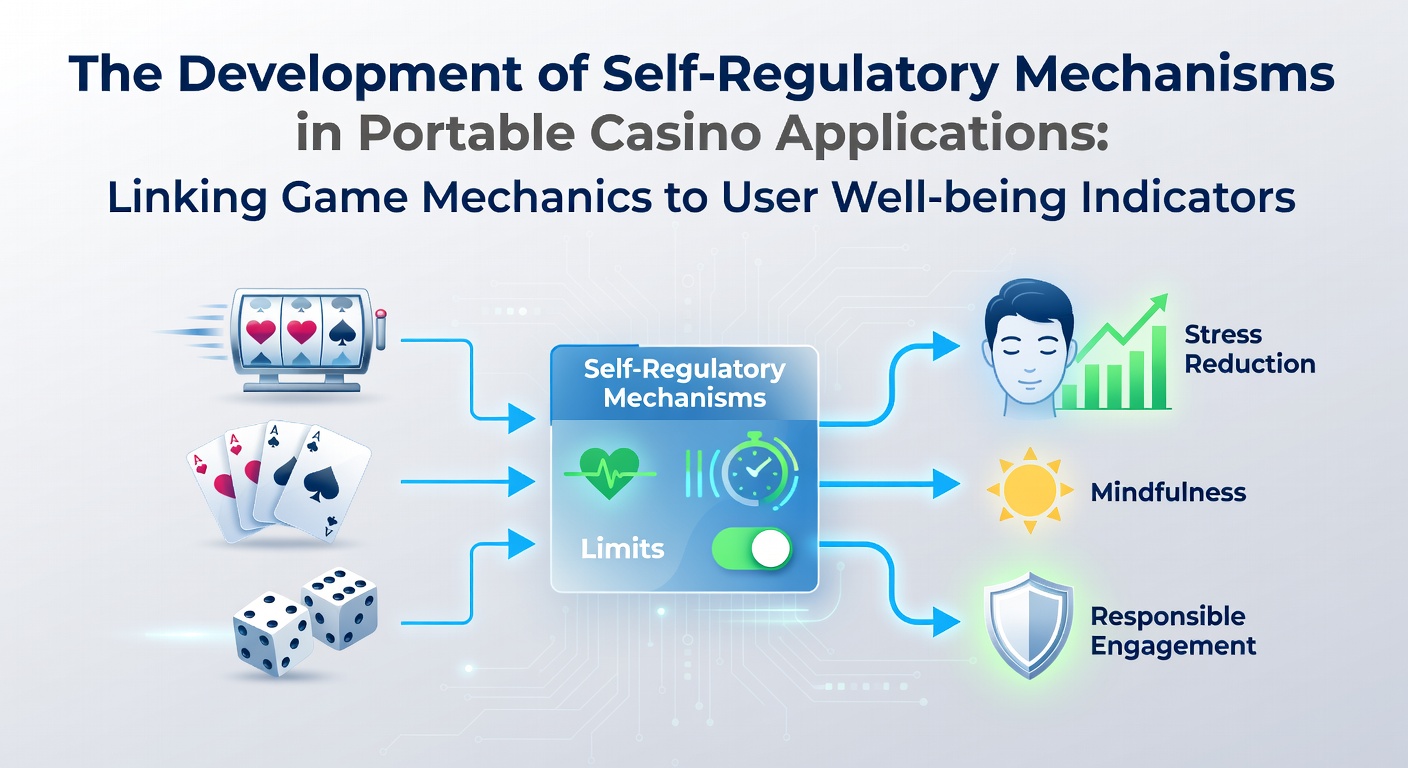
Portable casino applications have incorporated self-regulatory mechanisms over the past decade as developers responded to user data patterns and regulatory expectations around the world. These tools connect directly to core game mechanics such as session timers, betting interfaces, and reward structures, creating measurable effects on indicators like play duration, expenditure rates, and reported stress levels according to multiple industry analyses.
Early Integration of Controls in Mobile Platforms
Developers began embedding basic limit-setting features into mobile slots and table games around 2015 when smartphone adoption accelerated and operators tracked rising session lengths through backend analytics. Research from academic institutions shows that simple deposit caps reduced average daily spending by 12 to 18 percent in early trials conducted across European markets. Those early implementations focused on voluntary user inputs rather than automated responses, yet they laid groundwork for more sophisticated linkages between mechanics and behavioral feedback loops.
By 2018 several platforms introduced reality checks that paused gameplay after predetermined intervals and displayed expenditure summaries. Data from operator reports indicate these interruptions correlated with modest declines in extended sessions exceeding two hours. Observers note that the timing of such prompts often aligned with peak engagement moments in progressive jackpot slots where near-miss sequences tend to sustain attention.
Linking Mechanics to Well-being Metrics
Game designers now calibrate reel speeds, bonus round frequencies, and multiplier displays alongside self-regulatory overlays. Studies conducted by research centers in Canada reveal that slowing spin cycles by 200 milliseconds while activating optional cool-down prompts produced a 9 percent drop in users exceeding personal loss thresholds. These adjustments operate through the same interface that handles stake selection and autoplay functions, allowing seamless transitions between play and reflection modes.
Well-being indicators tracked in aggregated datasets include heart-rate variability captured through wearable integrations in select pilot programs as well as self-reported mood scores collected at session end. Figures from Australian regulatory summaries demonstrate that apps combining loss-limit alerts with visual progress bars toward spending goals maintained stable user retention while lowering the proportion of accounts flagged for rapid deposit escalations. The mechanics work in tandem because reward animations pause automatically when limits approach, shifting focus from immediate gratification cycles to longer-term pattern awareness.
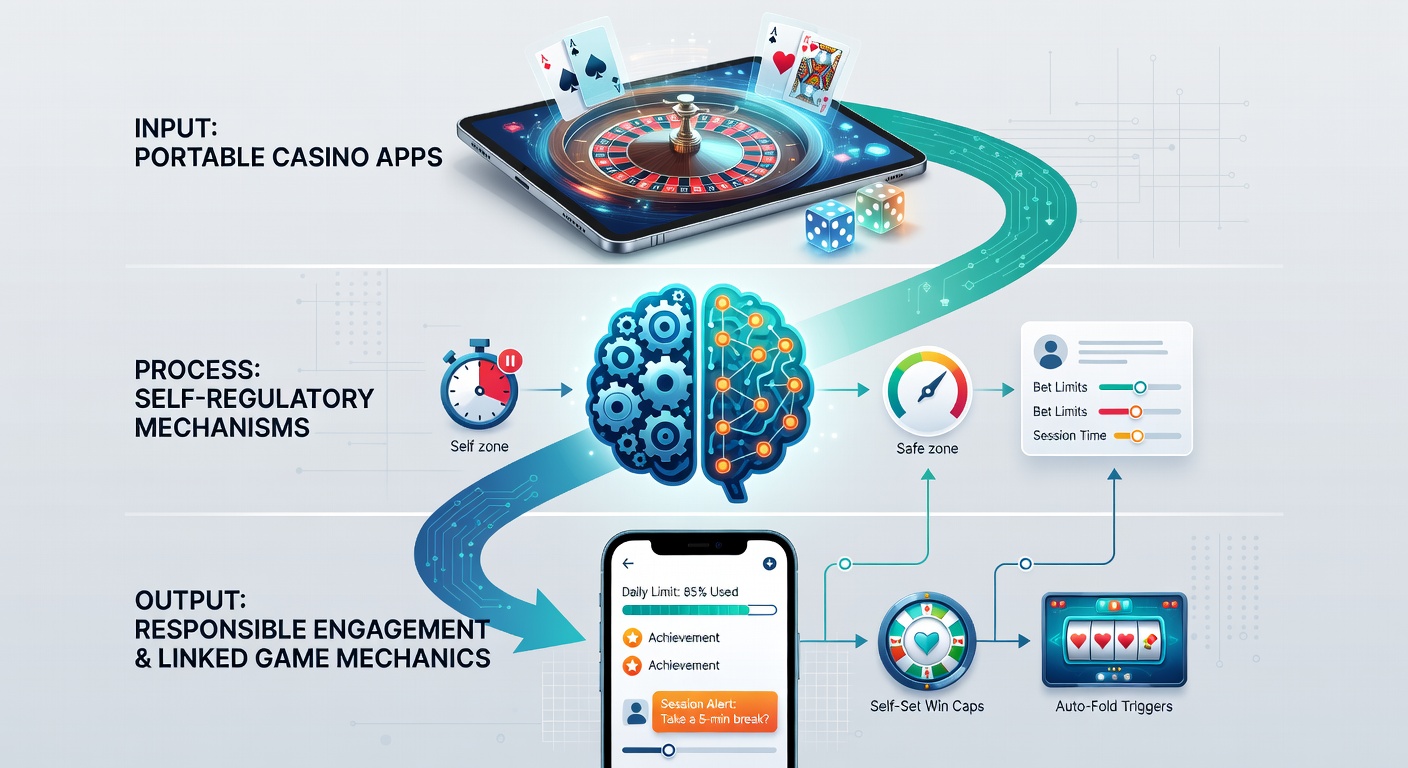
What's interesting is how live dealer modules adapted similar controls. When card-shoe reshuffles trigger natural pauses, developers overlay optional budget review screens that users can dismiss or engage with based on prior selections. Reports from North American operators in early 2026 indicate this contextual timing improved voluntary limit adherence rates compared with generic pop-ups that appeared during continuous play sequences.
Regulatory and Technical Advances Through 2026
In May 2026 several jurisdictions updated technical standards requiring portable applications to log user interactions with self-regulatory features for independent audits. These updates emphasize interoperability between game engines and external well-being dashboards developed by third-party providers. Evidence from compliance filings shows that standardized APIs now allow real-time transmission of session data without exposing personal identifiers, supporting population-level analyses of play intensity versus reported satisfaction levels.
One study released that month by a European research consortium examined over 2 million anonymized mobile sessions and found that applications using adaptive difficulty scaling in blackjack variants, paired with mandatory brief pauses after three consecutive losses, produced lower variance in net expenditure across user cohorts. The linkage appears because scaled difficulty reduces perceived control illusions that sometimes prolong play despite mounting losses. Those findings align with earlier observations from Singaporean market monitors who documented comparable patterns in electronic table game deployments on tablets.
Developers continue refining notification systems that reference historical user data to predict when certain mechanics might elevate risk indicators. For instance, rapid autoplay activation in high-volatility slots now triggers contextual messages drawn from an individual's past 30-day activity rather than generic templates. Industry summaries suggest these personalized prompts maintain engagement metrics while correlating with steadier account balances over quarterly periods.
Measurement Frameworks and Ongoing Refinements
Well-being indicators extend beyond financial metrics to encompass time-of-day distribution and device usage patterns. Analyses shared by academic groups in Australia highlight that users who enable multi-device synchronization across phones and tablets demonstrate improved consistency when applying daily time caps because the system aggregates activity regardless of access point. This technical unification prevents fragmented tracking that previously allowed sessions to restart on secondary devices without limit enforcement.
Further refinements include integration with biometric feedback where available. Although not universal, select applications now accept input from phone-based heart-rate sensors during high-stakes moments in live dealer roulette, offering optional slowdown suggestions when elevated readings coincide with accelerated betting sequences. Data compiled through 2026 indicates modest uptake yet measurable reductions in post-session anxiety scores among participants who utilized the feature regularly.
Case examples from Canadian operators illustrate how combining these elements produces layered effects. One platform introduced a mechanic that dims screen brightness progressively as users near preset time limits, creating a visual cue tied directly to the countdown clock. Follow-up surveys reported that players noticed the change and adjusted behavior more readily than with text-only alerts, supporting the broader principle that mechanic-embedded cues outperform detached interventions.
Conclusion
The evolution of self-regulatory mechanisms in portable casino applications demonstrates clear linkages between specific game mechanics and user well-being indicators tracked through operational data and external studies. As technical standards advance and measurement frameworks expand, these connections continue to inform iterative design choices across global markets. Observers continue monitoring outcomes from the May 2026 regulatory updates to assess long-term impacts on session patterns and reported user metrics.