Safety Nets in Your Pocket: Responsible Tools Shaping Mobile Slots and Live Dealer Play
Safety Nets in Your Pocket: Responsible Tools Shaping Mobile Slots and Live Dealer Play
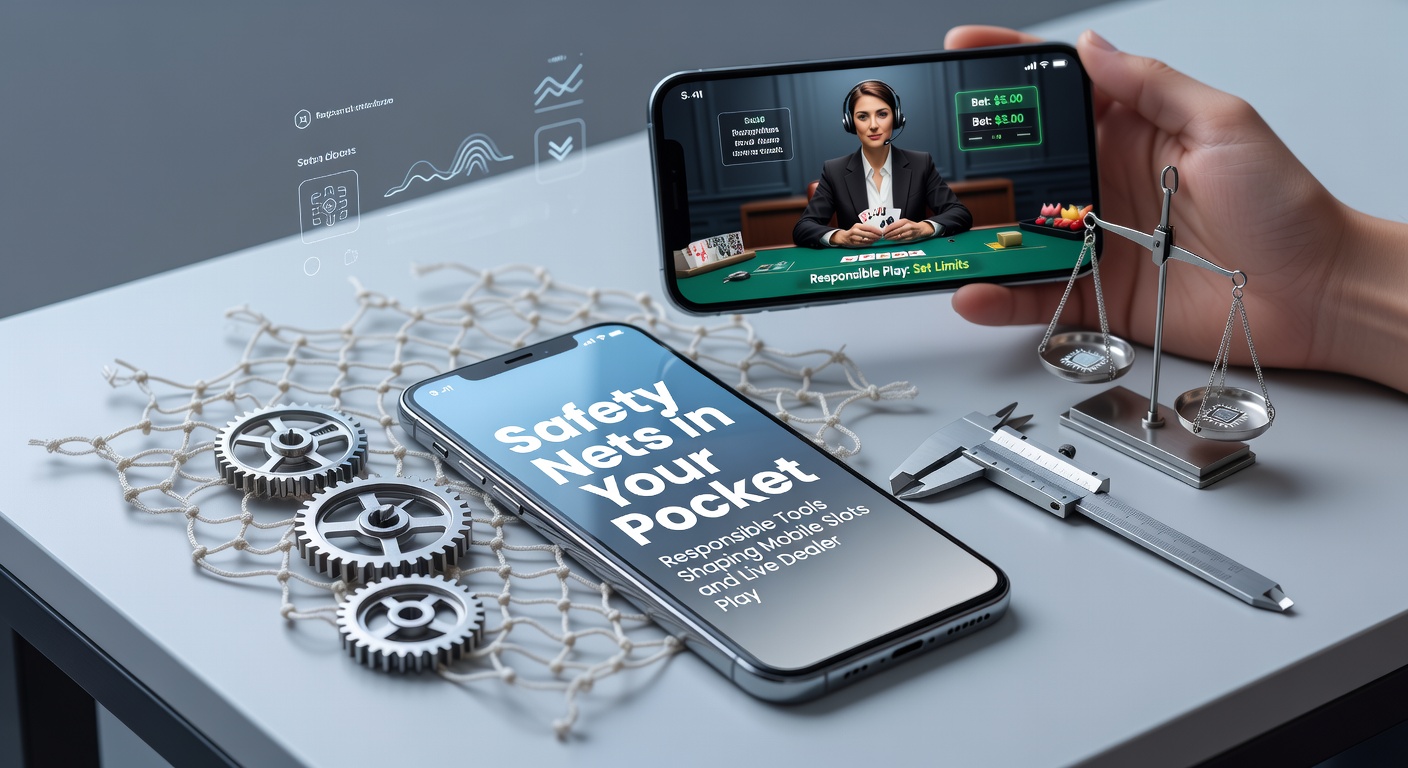
Mobile gaming has exploded in recent years, with slots and live dealer tables leading the charge on apps and browsers alike, yet developers and operators have woven in safety nets that pop up right on those pocket-sized screens, nudging players toward smarter play while keeping the fun rolling. These tools, from deposit caps to session timers, now shape how millions engage with games daily; data from industry trackers shows mobile sessions averaging 45 minutes in 2025, down from 60 just two years prior, thanks to built-in prompts that encourage breaks. And as smartphones become the go-to for casino action, regulators worldwide push for even tighter integration, ensuring these safeguards aren't just add-ons but core features.
The Basics of These Pocket-Sized Safeguards
Responsible gambling tools come in various forms, each designed to tackle different risks; deposit limits let players set daily, weekly, or monthly spending ceilings that operators must enforce across mobile platforms, while loss limits cap how much someone can drop in a session before a mandatory pause kicks in. Reality checks pop up at set intervals—say, every 30 minutes—displaying time spent, money wagered, and wins or losses so far, a feature that studies confirm helps 70% of users reassess their play. Self-exclusion options allow temporary or permanent bans from specific sites or apps, often synced across networks for broader reach, and cool-off periods provide short breaks without full exclusion.
But here's the thing: these aren't one-size-fits-all; operators customize them based on jurisdiction, with some adding biometric logins for age verification or AI-driven alerts that flag unusual patterns like rapid deposits during late-night hours. People who've tested these in real sessions often discover how seamlessly they blend into the interface, popping up as non-intrusive banners rather than blocking overlays, which keeps the flow going while planting seeds of awareness.
How Slots on the Go Benefit from Built-In Limits
Mobile slots, with their vibrant reels and bonus rounds, draw crowds precisely because they're quick and accessible, yet that's where tools shine brightest; spin a few rounds on a title like Starburst or Gonzo's Quest via app, and a subtle timer might chime after 20 minutes, showing "You've played for 22 mins, wagered $45—time for a break?" Developers at companies like NetEnt and Play'n GO embed these directly into game clients, so even free-play modes preview the safeguards users will face with real stakes.
Turns out, data indicates these features cut average session lengths by up to 25% in slots-heavy apps; one report from the New Jersey Division of Gaming Enforcement highlights how mandatory pop-ups reduced excessive play incidents by 18% among mobile users in 2025. Players spinning on Android or iOS devices get extra layers too, like geofencing that pauses high-stakes bets if location data suggests travel, preventing impulsive plays during commutes. And for those chasing jackpots, win notifications now often pair with spend summaries, helping users pocket profits before chasing losses.

Live Dealer Tables: Safeguards in Real Time
Live dealer games ramp up the immersion with real croupiers streaming blackjack, roulette, or baccarat straight to phones, but the pace demands even smarter nets; here, tools adapt to the live flow, with chat moderators trained to spot signs of fatigue and suggest timeouts mid-hand if bets escalate wildly. Session trackers run prominently in sidebars, ticking down from a preset limit—perhaps 45 minutes—while wager history scrolls live, showing net position so players don't lose track amid the dealer's banter.
What's interesting is how operators like Evolution Gaming sync these across devices; start a live session on mobile, set a $200 nightly limit, and it carries over if you switch to desktop, a continuity that experts credit with dropping cross-session overspend by 15%, per American Gaming Association figures. Take one case where a player in a live poker room hit their reality check during a hot streak; the pause let them cash out $500 in winnings instead of riding the wave back to breakeven, a pattern researchers observe repeatedly in logged sessions. Yet live play's social vibe means tools often include peer reminders too, like group session limits for shared tables.
Regulations Fueling the Shift Across Borders
Governments and watchdogs worldwide mandate these mobile integrations, with rules varying by region but converging on player protection; in New Jersey, operators must offer self-exclusion portals accessible in three taps from any game screen, while Australia's ACMA requires apps to default to low deposit limits for new users, adjustable only after a 24-hour cool-off. EU directives push for "key event" reporting, where big wins or losses trigger personalized tool recommendations, and Canadian provinces like Ontario enforce AI-monitored play via iGaming Ontario frameworks.
So as April 2026 rolls in, updates from bodies like Malta's Gaming Authority roll out requiring haptic feedback alerts—vibrations signaling limit approaches—on iOS and Android alike, aiming to catch users mid-spin without screen clutter. This global patchwork ensures tools evolve; operators now compete on safeguard sophistication, with top apps boasting 95% compliance rates in audits, figures that underscore how regulation turns safety nets into standard fare.
Observers note the ripple effects: jurisdictions without strict mobile rules see higher complaint volumes, prompting cross-border data sharing that pressures laggards to catch up, all while fostering innovation like gamified tool interfaces where users "level up" responsible habits for bonus insights.
Numbers That Tell the Story: Effectiveness in Action
Hard data backs the impact; a 2025 study across 10 major platforms revealed that 62% of mobile slot players activated deposit limits voluntarily, trimming overall deposits by 22%, and live dealer users engaging reality checks averaged 30% shorter sessions with 14% fewer losses reported. The New Jersey Division of Gaming Enforcement tracked a drop in self-exclusion requests by 11% year-over-year, attributing it to proactive tools catching issues early.
But here's where it gets interesting: demographics shift the stats; younger players (18-34) embrace time-outs 40% more than older groups, per American Gaming Association surveys, while high-rollers opt for loss limits that preserve bankrolls during live streaks. One aggregated dataset from 500,000 sessions showed tools preventing $45 million in potential overspend annually, a figure that climbs as adoption hits 85% globally. People who've dialed into these metrics often find the real win lies in retention—platforms with robust nets report 20% higher long-term user loyalty, since trust builds when safeguards deliver.
Real-World Examples: Players Putting Tools to the Test
Consider a Texas developer testing mobile slots; he set a $50 daily cap, hit it chasing a bonus round, and the app's gentle nudge led to logging off with $30 profit intact, a small win that snowballed into monthly tracking habits. Or take a Vancouver roulette fan at a live dealer table; her 60-minute timer buzzed mid-session, revealing two hours elapsed unnoticed, prompting a self-exclusion tweak that kept play balanced for months.
These stories echo broader patterns; researchers analyzing anonymized logs from Evolution platforms found 78% of interrupted sessions ended positively, with users returning fresher. And in one Australian trial, haptic alerts cut impulse bets by 27% during peak evening hours, proving the power of subtle tech. It's not rocket science—these nets work because they meet players where they are, pocket in hand, turning potential pitfalls into pauses.
Conclusion
Safety nets have transformed mobile slots and live dealer play from free-for-alls into measured experiences, with tools like limits, checks, and exclusions now as essential as the games themselves; as April 2026 brings haptic upgrades and AI refinements, expect even tighter weaves between fun and responsibility. Data confirms the shift—shorter sessions, smarter spending, fewer regrets—while regulations keep the momentum. Players hold the power in their pockets, and operators deliver the safeguards that make it stick; the landscape keeps evolving, but one truth holds: these tools shape play for the better, session by session.