Mapping How Loyalty Program Structures Adapt to Player Behavior Data in Hybrid Slot and Live Dealer Mobile Formats
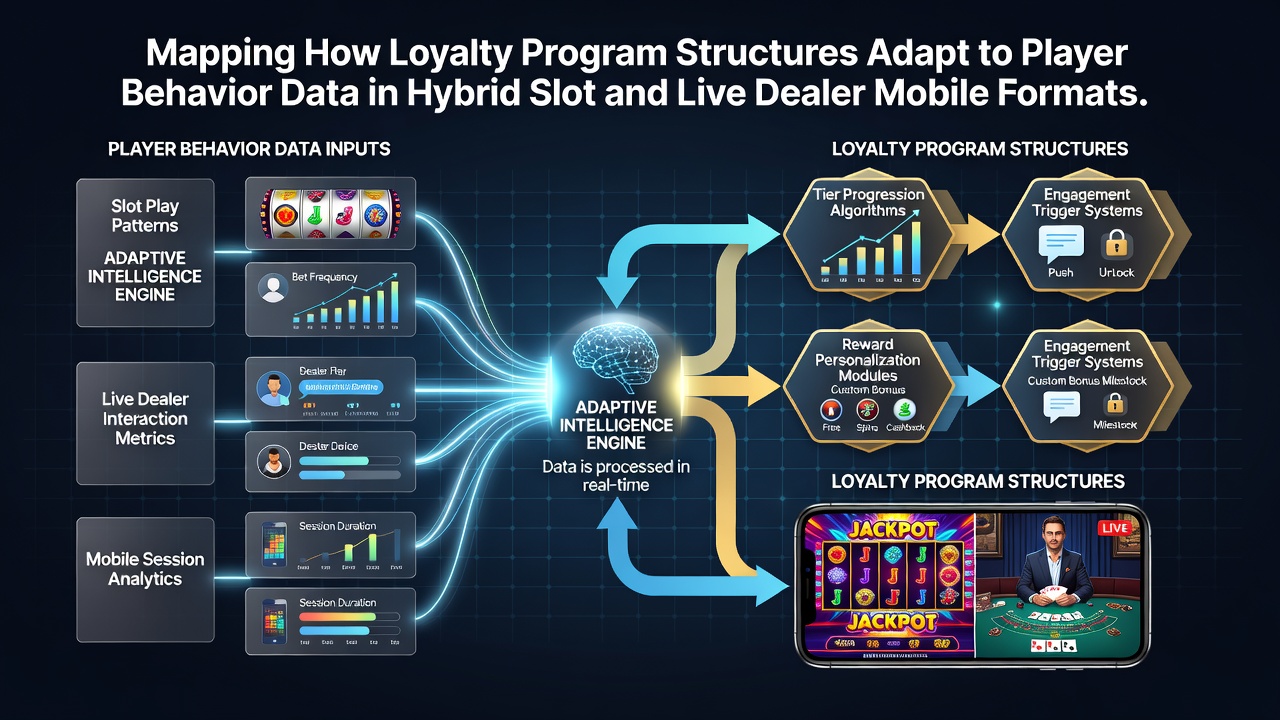
Player behavior data drives adjustments in loyalty structures for hybrid mobile platforms that combine slot machines with live dealer tables, and operators track metrics such as session duration, game selection sequences, and wager patterns to refine reward tiers. These systems collect information from both reel spins and real-time table interactions, then apply algorithms that shift point multipliers or unlock personalized offers based on observed preferences. Data shows that users who alternate between slots and live dealer sessions often receive tiered bonuses that balance instant rewards with longer-term engagement incentives, and this mapping process relies on integrated analytics platforms that update in real time across wireless devices.
Core Data Inputs and Tracking Methods
Hybrid formats generate distinct data streams because slot play produces rapid, high-volume events while live dealer sessions yield slower, interaction-heavy records that include chat frequency and table selection choices. Observers note that loyalty engines combine these inputs by assigning weighted values to each activity type, so a player logging extended live blackjack time might earn accelerated progress toward VIP status compared with equivalent slot volume. In July 2026 several platforms reported refined weighting formulas that account for cross-format transitions, allowing the system to detect when users shift mid-session and adjust immediate reward triggers accordingly.
Research from the American Gaming Association indicates that behavior mapping now incorporates device-level signals such as screen time distribution and payment method usage, which helps operators segment users into dynamic loyalty cohorts. Those cohorts then receive tailored structures that might include slot-specific free spins for high-frequency reel users or live dealer cashback percentages scaled to average bet sizes observed over rolling 30-day windows.
Structural Adaptations in Reward Tiers
Loyalty programs evolve their tier architectures by converting raw behavior logs into progressive benefits that reflect actual play distribution across formats. Experts have observed that hybrid users who favor live dealer options often unlock exclusive table limits or dealer choice privileges at lower point thresholds than pure slot players, because the data reveals higher per-session retention rates in those segments. Conversely, slot-dominant patterns trigger accelerated accumulation of bonus rounds and multiplier events that encourage continued reel engagement without requiring format switches.
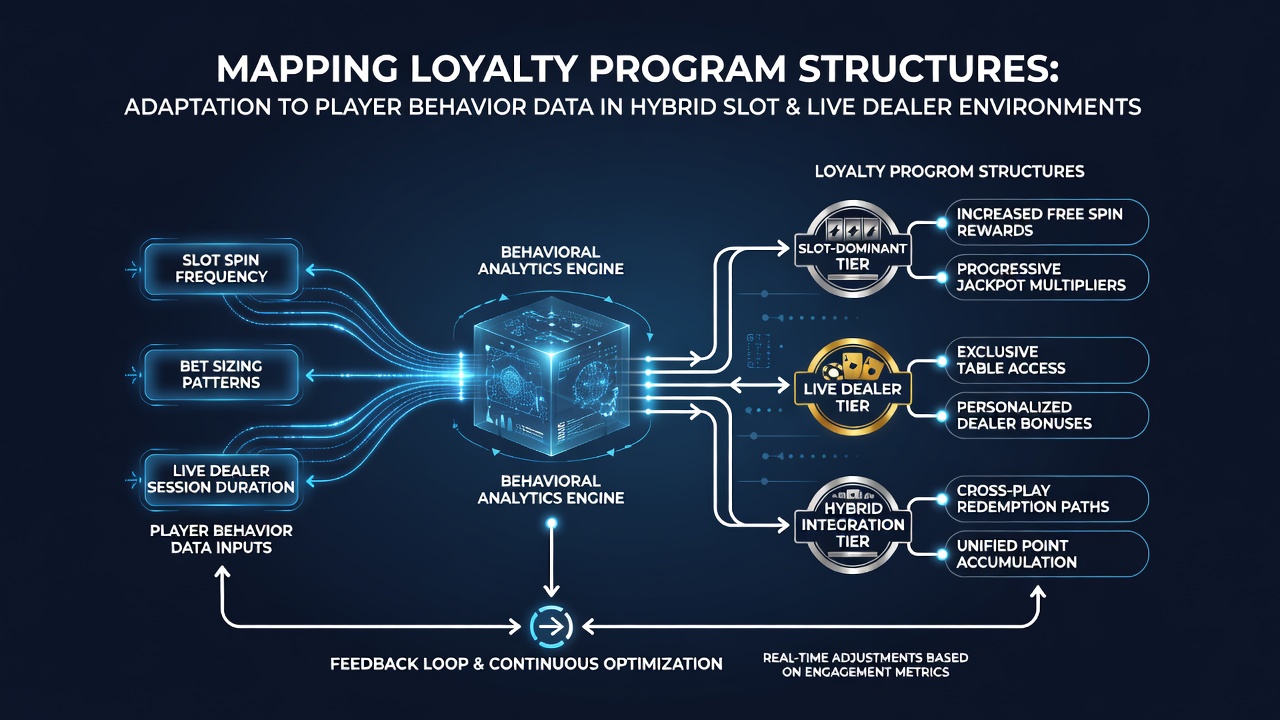
Program architects adjust the conversion rates between slot points and live dealer credits on a periodic basis, drawing from aggregated datasets that highlight seasonal or time-of-day variations in format preference. This flexibility keeps the structures responsive, so a sudden uptick in live dealer traffic during evening hours can prompt temporary boosts to table-related rewards while slot multipliers remain stable. Figures from industry tracking services reveal that such adaptive recalibrations occur most frequently in markets where regulatory frameworks permit real-time personalization of promotional mechanics.
Integration Challenges Across Mobile Ecosystems
Technical mapping requires seamless data pipelines between slot engines, live dealer streaming servers, and the central loyalty database, yet latency differences between instant spin results and video-based table outcomes create synchronization hurdles. Developers address these by timestamping every event and applying normalization layers that align the datasets before feeding them into the adaptation models. Those who have studied these systems note that successful implementations rely on edge computing nodes positioned near regional data centers, which reduces delays and preserves the accuracy of behavior profiles used for tier adjustments.
Security protocols also influence how loyalty structures adapt, because player data must remain segmented to comply with jurisdiction-specific privacy rules while still enabling cross-format reward calculations. Platforms operating in multiple regions therefore maintain parallel mapping modules that apply local constraints before merging outputs into unified user profiles.
Future Mapping Developments
Continued refinement of these loyalty frameworks depends on expanding the granularity of behavior signals, including gesture patterns on touch interfaces and response times during live dealer decisions. Operators continue testing predictive models that forecast format switches days in advance, allowing preemptive reward offers designed to guide players toward underutilized game types within the hybrid portfolio. Such developments build directly on the data foundations already established in current mobile environments.
Conclusion
The mapping of loyalty program structures to player behavior data in hybrid slot and live dealer mobile formats continues to evolve through iterative analysis of combined gameplay metrics, and this process produces increasingly precise reward adaptations that reflect actual usage patterns across both game categories. Ongoing technical and regulatory developments will shape how these systems refine their weighting and tier mechanisms in the months ahead.