How Cultural Preferences Shape Game Offerings in International Online Casino Markets

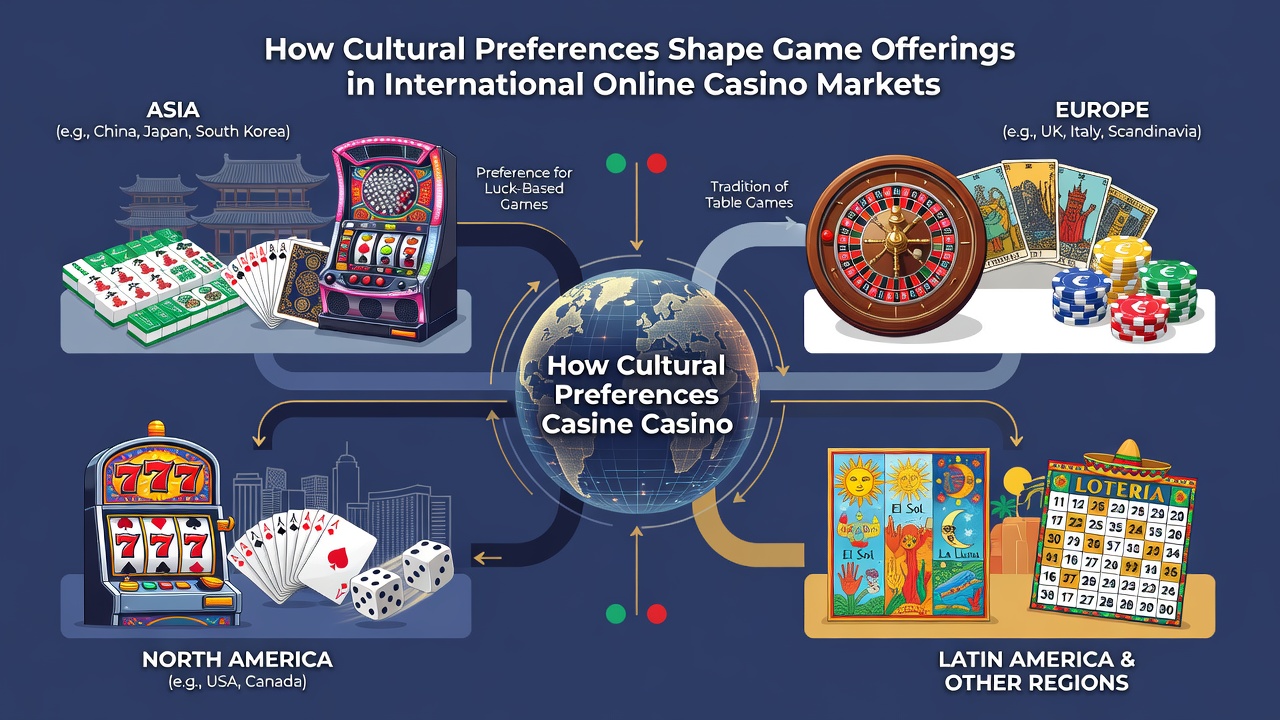
International online casino operators adjust their game libraries based on documented patterns in player behavior that vary sharply by region, and these adjustments reflect measurable differences in cultural attitudes toward risk, social interaction, and entertainment formats. Research from multiple gaming associations shows that Asian markets tend to favor games with high visual stimulation and progressive jackpot features, whereas European audiences demonstrate stronger engagement with strategy-oriented table games that emphasize skill elements over pure chance outcomes.
Regional Game Preferences Across Asia
Operators entering markets in China, Japan, and South Korea often prioritize slot titles that incorporate local mythology, festival themes, and anime-inspired graphics because player retention data collected by regional platforms indicates higher session times when these elements appear. In contrast, live dealer offerings in these territories frequently include baccarat variants with side bets tied to traditional card rituals, and figures from industry reports confirm that such modifications increase participation rates among local demographics. Observers note that these preferences align with broader cultural values around luck and symbolism rather than competitive strategy.
Thailand and the Philippines show parallel trends where operators expand their portfolios of fishing games and crash-style titles, formats that originated from arcade traditions popular in Southeast Asia. Data indicates these selections outperform standard Western slot mechanics in those jurisdictions during peak evening hours.
European Market Adaptations
Across the European Union, operators respond to preferences for blackjack and roulette variants by expanding live dealer studios that replicate land-based casino atmospheres common in countries like France and Germany. Certification records reveal that games incorporating realistic dealer interactions and slower pacing maintain longer average play durations in these regions compared to high-volatility automated slots. Industry groups tracking cross-border traffic report that German and Dutch players demonstrate measurable interest in skill-based poker formats when regulatory conditions permit such offerings.
Scandinavian markets display distinct engagement patterns with games that include built-in responsible play tools presented through minimalist interfaces, and operators adjust visual density accordingly to match documented user feedback from those territories.
North American and Emerging Influences
Canadian and Australian operators integrate indigenous cultural motifs into select slot themes while maintaining strict adherence to local content guidelines, and regulatory filings from these jurisdictions document increased approval rates for titles that respect community storytelling traditions. In Latin American markets, providers expand offerings around soccer-themed instant win games and carnival-inspired visuals because transaction logs show elevated deposit activity during major sporting events.
These geographic distinctions drive platform customization where the same parent company deploys entirely different game mixes depending on the registered player's location data.
Impact of Tradition and Technology on Offerings
Cultural holidays continue to influence temporary game rotations, with operators preparing special editions for events such as Chinese New Year or Diwali that feature limited-time mechanics and bonus rounds tied to those celebrations. Platform analytics from multiple providers confirm spikes in new registrations during these periods when culturally aligned content appears. Meanwhile, technological delivery methods adapt alongside these preferences, since mobile interfaces in high-density urban Asian markets emphasize rapid spin cycles while desktop versions popular in European regions retain more detailed information panels.
By June 2026, several operators plan to introduce hybrid formats that blend live elements with culturally specific overlays, following patterns already visible in current testing environments across verified platforms.
Regulatory Context and Market Data
Government agencies in Canada and Australia publish periodic reports that track how localized content guidelines affect game approval timelines, and these documents show that operators investing in culturally appropriate development achieve faster market entry. Academic studies from European universities have examined correlations between national attitudes toward gambling and preferred game volatility levels, producing datasets that suppliers now reference during product planning cycles. Industry associations such as the European Gaming and Betting Association compile aggregated statistics demonstrating these regional divergences without prescribing specific content strategies.
One analysis from a North American research institution further highlights how payment method preferences intersect with game selection, noting that regions favoring e-wallets often show stronger engagement with quick-play formats.
Conclusion
Market expansion continues to depend on operators' ability to align game libraries with verified cultural indicators drawn from player data across jurisdictions, and ongoing regulatory developments through 2026 will likely reinforce these localized approaches rather than standardize offerings globally. Evidence from multiple sources confirms that successful platforms maintain flexible catalogs responsive to these documented patterns.