How Community Feedback Loops Refine Dealer Interaction Protocols in Portable Entertainment Systems
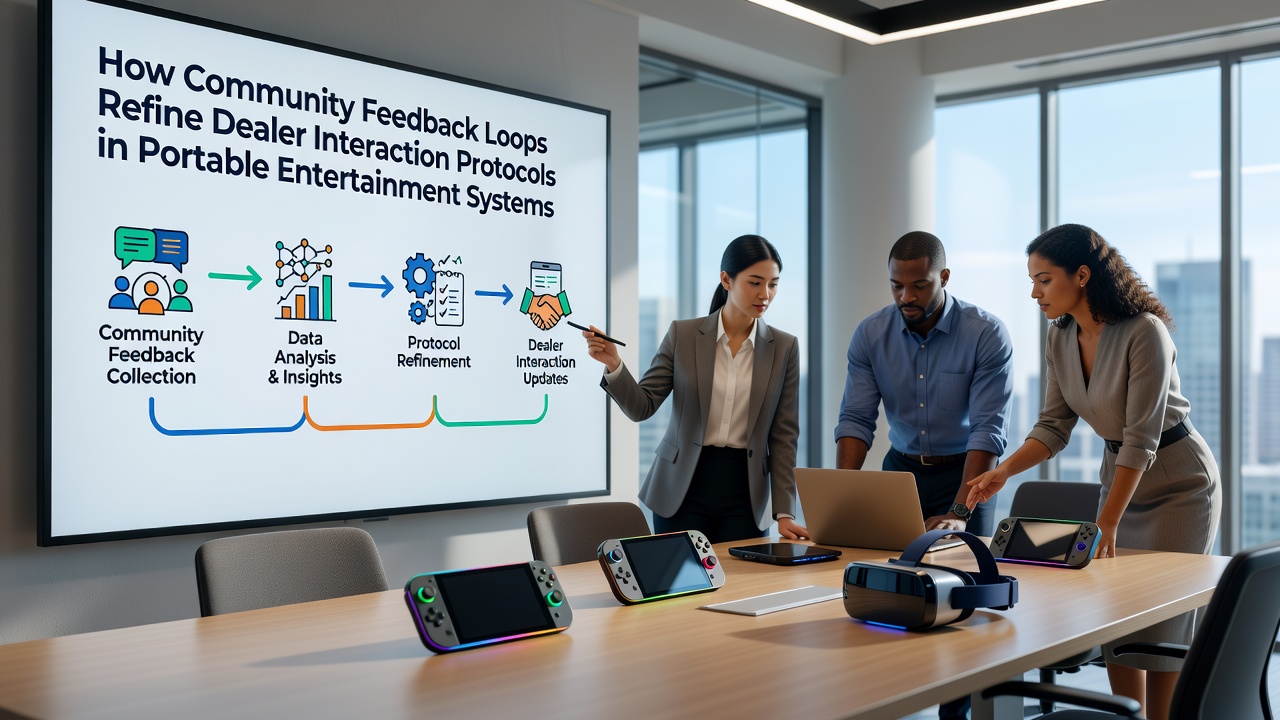 Portable entertainment systems rely on live dealer interactions that adapt over time through structured input from player communities, and these feedback mechanisms operate via integrated reporting tools, forum discussions, and aggregated analytics platforms that capture real-time observations about dealer pacing, response phrasing, and table atmosphere. Data from these sources flows into development pipelines where protocol adjustments occur in iterative cycles, often synchronized with software releases that address specific interaction patterns identified across thousands of sessions. Observers note that mobile platforms collect feedback through in-app prompts and external community channels, allowing patterns in user comments to highlight areas such as greeting consistency or handling of technical interruptions during live streams. Research indicates these loops function by mapping qualitative reports onto quantitative metrics like session duration and repeat engagement rates, which then inform revisions to dealer training modules and scripted elements used across wireless devices.
Mechanisms Driving Protocol Adjustments
Community input reaches refinement stages through centralized dashboards that categorize comments into themes including verbal clarity, visual engagement cues, and adaptability to regional player preferences, and developers cross-reference these categories with performance logs to prioritize changes. For instance, repeated mentions of delayed reactions to chat messages have prompted updates that shorten average response intervals while maintaining regulatory compliance standards across different jurisdictions.
Analysts track how such adjustments propagate through app versions, with A/B testing phases validating whether revised protocols increase satisfaction indicators without disrupting game flow. Platforms operating in multiple markets coordinate these refinements by pooling anonymized data sets that reveal geographic variations in expected dealer behaviors, ensuring protocols accommodate diverse expectations while preserving core operational rules.
Integration with Live Dealer Formats
Live dealer segments within portable systems incorporate feedback by embedding community-derived guidelines into dealer onboarding processes, and this includes calibration of language tone based on aggregated sentiment analysis from player reports. Systems that connect mobile users to real-time tables often log interaction timestamps alongside qualitative notes, creating datasets that highlight where protocols require tightening or expansion to better align with observed engagement trends.
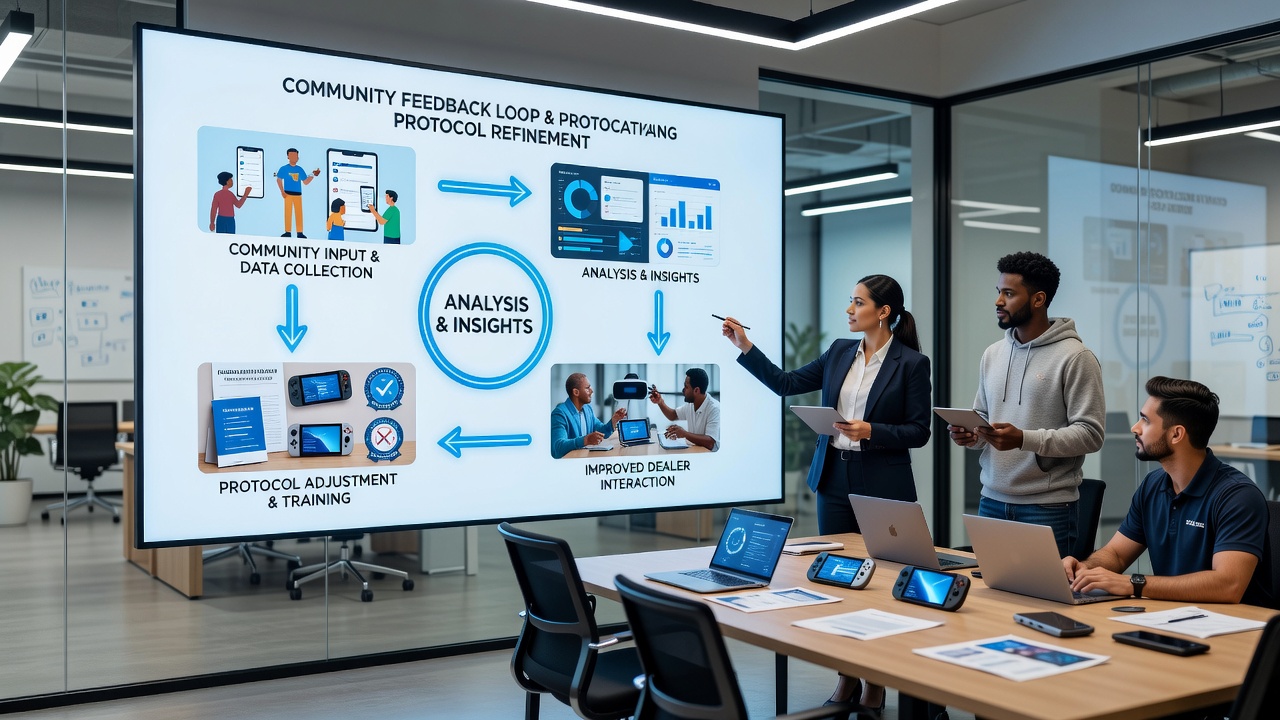
Entities such as the American Gaming Association have documented industry-wide shifts toward data-informed dealer scripting, while reports from the Canadian Gaming Association detail similar processes applied to cross-border mobile offerings. These refinements frequently align with broader platform updates scheduled around mid-year milestones, including those rolled out in June 2026 that addressed latency concerns raised in community threads.
Case Patterns in Feedback Application
One documented pattern shows communities flagging inconsistencies in how dealers manage multi-language chat requests, leading to protocol additions that standardize translation support features embedded in dealer interfaces. Another example involves adjustments to celebratory responses during winning sequences, where feedback indicated overly uniform phrasing reduced perceived authenticity and prompted diversification of approved expressions.
Regulatory bodies in regions including Australia and parts of Europe require documentation of these feedback-driven changes to verify that modifications enhance fairness and transparency without introducing new variables into game outcomes. Studies from academic sources have examined retention correlations tied to these protocol evolutions, revealing measurable shifts in average play lengths following targeted refinements.
Future Trajectories for Community-Influenced Systems
Emerging tools incorporate machine learning to accelerate the categorization of community submissions, allowing faster identification of recurring themes that warrant protocol review. Portable platforms continue expanding these loops by integrating direct survey modules that capture post-session reflections, thereby increasing the volume and specificity of data available for dealer interaction tuning.
Conclusion
Community feedback loops have established themselves as core components in the ongoing calibration of dealer protocols across portable entertainment systems, connecting player observations directly to operational updates through structured data pathways. Continued evolution in these mechanisms supports alignment between user expectations and delivered interactions while operating within established regulatory frameworks worldwide.