From Spinning Reels to Real-Time Interactions: Tracing How Transaction Methods Affect Engagement Levels in Mobile Settings
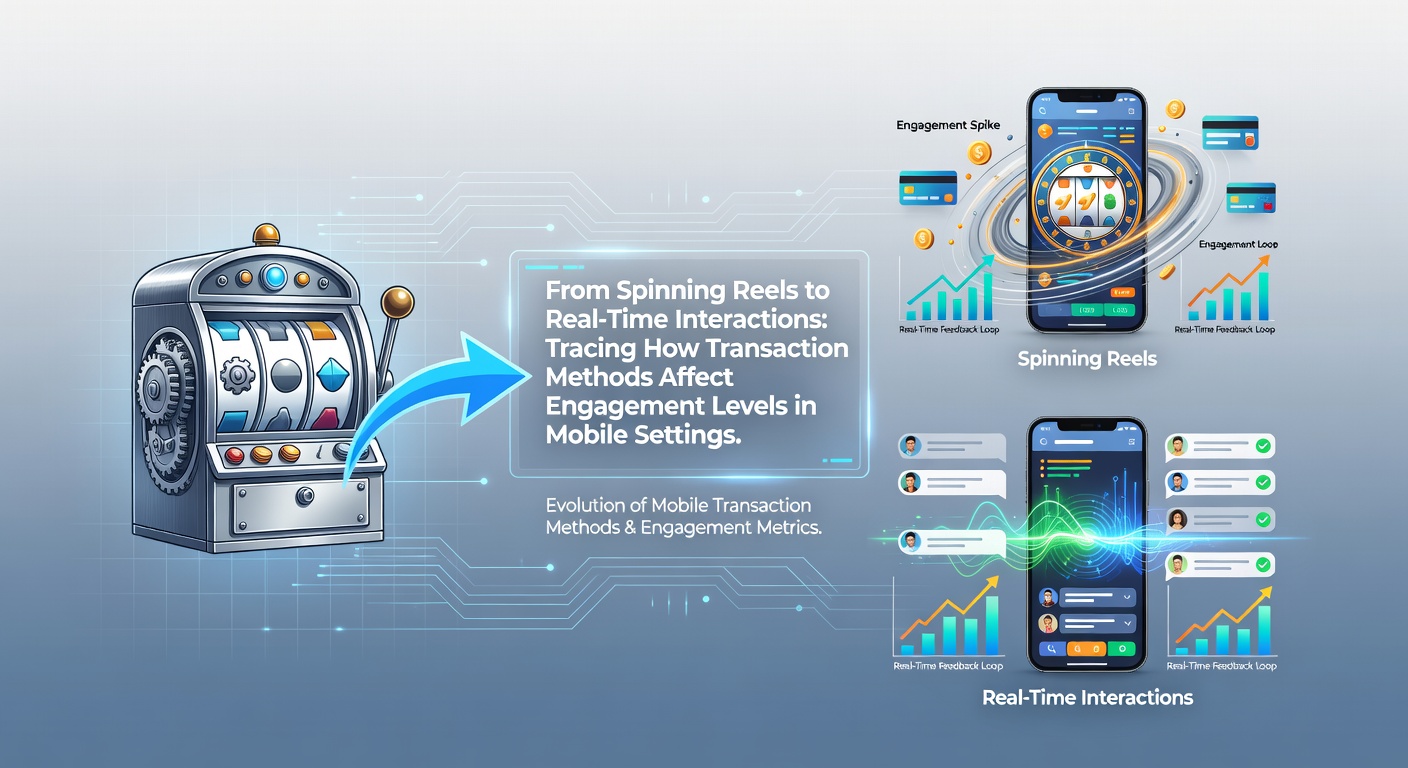
The shift from traditional spinning reels to real-time mobile interactions has run parallel with changes in how payments move through apps and platforms, and researchers continue to track these connections through usage metrics and behavioral data. Early mobile systems relied on basic card processing that often required multiple confirmation steps, which extended the time between a user decision and actual play. Over time, integrated mobile wallets and instant transfer options shortened those intervals, and analysts have noted corresponding rises in session frequency across different regions.
Early Transaction Limitations in Mobile Environments
Initial mobile gaming setups depended on manual entry of payment details that frequently interrupted user flow, and industry reports from 2018 through 2022 documented average completion times exceeding ninety seconds for many deposits. Those delays correlated with higher abandonment rates at the funding stage, according to aggregated app analytics shared by several development firms. Users who encountered friction often exited without completing a transaction, which limited opportunities for extended engagement with either reel-based or interactive features.
Payment gateways that required browser redirects added further steps, and data collected by regional telecom regulators showed that connection drops during these redirects contributed to incomplete sessions in areas with variable network coverage. Observers note that such patterns appeared consistently in markets where smartphone penetration grew rapidly but payment infrastructure lagged behind.
Adoption of Instant and Integrated Methods
By 2024, direct integration of digital wallets and bank-linked instant transfers had become standard in many mobile applications, and transaction times dropped below fifteen seconds in optimized systems. This acceleration allowed users to move from deposit to active play without leaving the primary interface, and studies tracking user retention found measurable increases in repeat logins within the same day. In May 2026, platform operators reported that apps supporting one-tap authorizations maintained higher daily active user counts compared with those still using multi-step verification.
Real-time balance updates now accompany these faster methods, which enables continuous interaction in live environments where timing matters. Analysts examining server logs have observed that users who complete funding through instant channels tend to initiate more sequential actions, whether advancing through reel sequences or participating in live exchanges. The technical architecture supporting these updates relies on API connections that synchronize account status immediately after authorization clears.
Comparative Engagement Data Across Payment Types
Comparative reviews of transaction logs reveal distinct patterns based on method. Card-based deposits, while still common, show slightly longer intervals before subsequent activity compared with wallet or account-linked options. One multi-year dataset compiled by an academic research group at the University of Macau indicated that wallet users averaged 23 percent more in-app actions per session than card users under similar network conditions.
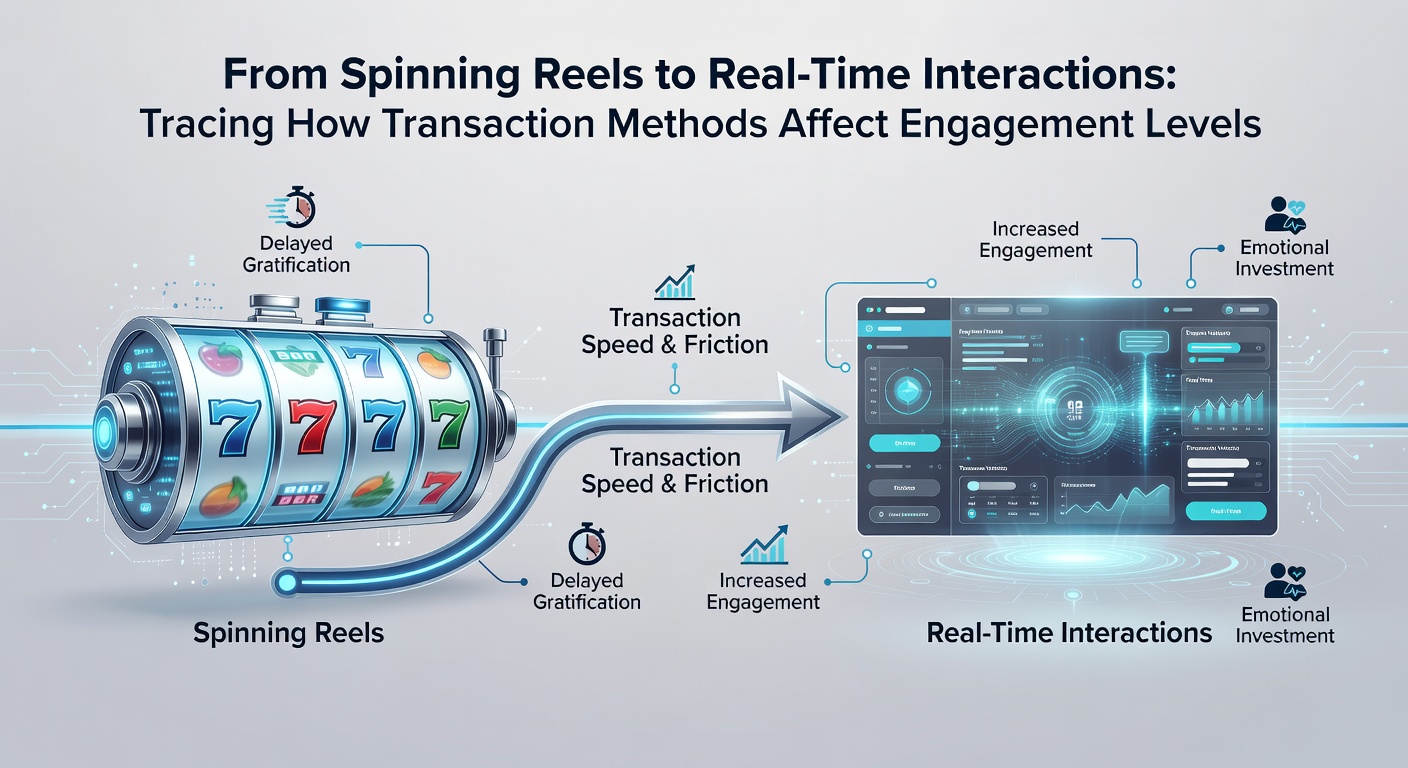
Bank transfer methods that settle in real time through open banking frameworks have gained traction in parts of Europe and Asia, and regulatory filings from the Monetary Authority of Singapore document steady growth in their share of mobile transactions through early 2026. These transfers eliminate separate authentication layers in many cases, which reduces cognitive load and keeps users within the active session. Engagement metrics collected by the same authority point to longer average dwell times once funding completes through these channels.
Technical Factors Influencing Mobile Flow
Device-level features such as biometric confirmation and stored credentials further compress the authorization window, and developers have integrated these capabilities directly into payment flows. When a transaction processes without requiring re-entry of details, the transition to spinning reels or live dealer interfaces occurs with minimal interruption. Network optimization also plays a role, because cached authorization tokens allow offline verification in low-signal areas until connectivity returns.
Security protocols that run in the background without user intervention support this seamlessness, and standards organizations such as the PCI Security Standards Council have updated guidelines to accommodate faster mobile pathways while maintaining encryption requirements. Data from platform audits in 2025 and 2026 confirm that these layered protections do not add measurable latency when implemented through hardware-supported methods.
Regional Variations in Transaction Impact
Usage statistics differ by market. In North American jurisdictions where mobile payment adoption accelerated after regulatory updates, session length metrics rose in tandem with the availability of instant funding options. Australian Communications and Media Authority summaries from 2025 noted similar trends among users who shifted from legacy card entry to linked bank accounts. These patterns suggest that infrastructure readiness influences how quickly engagement benefits materialize once faster methods become accessible.
Cross-border platforms face additional variables, including currency conversion timing and regional compliance checks, yet optimized systems have reduced these overheads to negligible levels in many cases. Observers tracking global app stores report that applications advertising sub-ten-second funding see higher conversion from browsing to active use across multiple territories.
Conclusion
Transaction methods continue to shape engagement pathways in mobile settings by determining the speed and continuity of user progression from funding to interactive content. Historical data shows clear movement away from multi-step processes toward integrated instant options, and recent figures through May 2026 indicate sustained differences in session metrics tied to those choices. As technical standards and regional frameworks evolve, the relationship between payment velocity and sustained interaction remains a measurable aspect of mobile platform performance.