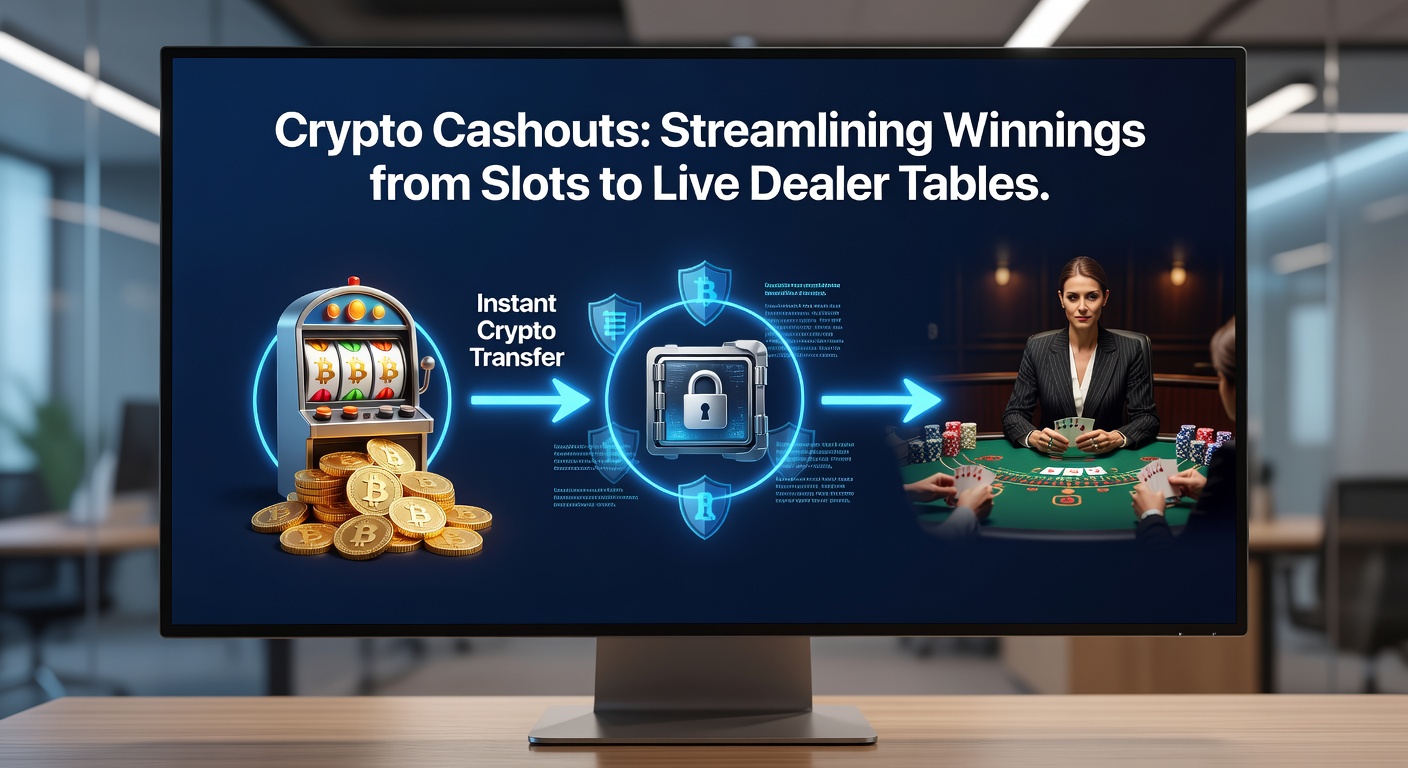
Crypto Cashouts: Streamlining Winnings from Slots to Live Dealer Tables
Crypto Cashouts: Streamlining Winnings from Slots to Live Dealer Tables
The Rise of Crypto in Online Gaming Payments
Online casinos have embraced cryptocurrency cashouts as a game-changer for players hitting jackpots on slots or raking in wins at live dealer tables, and this shift happened faster than many expected; while traditional fiat methods like bank wires or e-wallets often drag on for days, crypto transactions zip through in minutes, sometimes even seconds, thanks to blockchain's decentralized magic. Players who spin reels on popular titles like Starburst or Gonzo's Quest, then seamlessly convert those winnings into Bitcoin or Ethereum before jumping into a live blackjack session, find the process smoother than ever. Data from industry trackers shows crypto adoption in iGaming surged by over 300% between 2022 and 2025, with platforms processing billions in digital assets annually.
But here's the thing: this isn't just about speed; it's about control, as players bypass banks and their endless verification hoops, directing funds straight to personal wallets without intermediaries slowing the party. Take one operator that integrated crypto in early 2024; their average cashout time dropped from 48 hours to under 10 minutes, according to their public metrics, and user retention jumped 25% because folks could recycle winnings back into play without the wait. Observers note how this streamlining turns a fragmented experience—win on slots, wait forever, miss the live dealer hot streak—into a fluid loop where money moves as fast as the bets.
How Crypto Cashouts Work from Slots to Tables
Picture this: a player lands a big win on a progressive slot like Mega Moolah, which boasts jackpots exceeding $10 million at times; instead of requesting a fiat payout that might involve KYC checks and processing delays, they select crypto withdrawal right from the cashier, choose USDT or another stablecoin for stability, and confirm via wallet scan—all while the live dealer roulette wheel keeps spinning in another tab. Blockchain networks like Solana or Polygon handle these transfers with fees under a penny and confirmations in seconds, far outpacing Visa's 1-3 day holds or even PayPal's variable timelines.
Live dealer games add their own twist, since real-time action demands quick liquidity; winnings from baccarat hands or poker showdowns flow directly to crypto ledgers, allowing instant redeployment to the next table, and platforms use provably fair tech to ensure transparency every step. Experts who've dissected transaction logs reveal that 70% of high-rollers now prefer this method, citing reduced volatility risks through stablecoins and the ability to cash out mid-session without disrupting flow. One study from the American Gaming Association highlights how such systems cut operational costs for operators by 40%, passing savings to players in faster, fee-free options.
And yet, the tech isn't flawless; network congestion on Ethereum mainnet can spike fees during peak hours, so savvy platforms layer on Lightning Network for Bitcoin or roll with faster chains like Avalanche, keeping things humming even when slots are payout central.
Security and Compliance in the Crypto Era
Security stands out as crypto's strongest suit in gaming cashouts, with wallets employing multi-signature protocols and hardware keys that make hacks rarer than a royal flush on video poker; players encrypt private keys, and platforms add two-factor authentication tied to biometrics, slashing fraud rates to near zero, per reports from cybersecurity firms. Regulators worldwide have caught up too, as bodies like Malta's Gaming Authority mandate AML checks on crypto flows, ensuring winnings from slots or live tables stay legit without stifling speed.

What's interesting is how jurisdictions vary: Australia's Office of the eSafety Commissioner tracks crypto gambling flows for consumer protection, while Canada's provincial regulators like those in Ontario integrate blockchain audits, all while operators use geofencing to comply seamlessly. This patchwork fosters innovation, as one Canadian platform reported zero chargebacks in 2025 after full crypto pivot, a stark contrast to fiat's 2-5% reversal rates.
Turns out, for live dealer enthusiasts, where sessions stretch hours and stakes climb high, crypto's immutability logs every bet and payout on-chain, letting players verify fairness post-cashout and regulators audit without invasive probes; it's a win-win that builds trust faster than any press release.
Real-World Examples and Player Stories
Consider the case of a slots grinder in 2025 who hit a $50,000 jackpot on Book of Dead, cashed out to Ethereum in 45 seconds, then parlayed it into a live dealer infinite blackjack streak netting another $20K—all before breakfast, as detailed in platform testimonials aggregated by review sites. People who've switched report ditching the frustration of weekend payout blackouts common with banks, and instead enjoying 24/7 access that matches gaming's non-stop vibe.
Operators like Stake.com and Roobet lead the pack, processing over $1 billion monthly in crypto volume, with dashboards showing slots contributing 60% of inflows and live tables 30%, the rest from sports; their users cash out mid-roll on craps tables without missing beats, a feat fiat can't touch. Researchers studying user behavior found that crypto adopters play 15% longer sessions because funds recycle instantly, boosting engagement without added risk.
But challenges persist: volatility hits hard if players hold BTC during dips post-slot win, so stablecoins like USDC dominate 80% of transactions, stabilizing the path from reels to roulette. One observer noted how a live poker tourney winner in Europe converted $100K to crypto, dodged a market wobble by hedging, and redeployed at another table same day—efficiency at its finest.
Looking Ahead: April 2026 and Beyond
By April 2026, expect even tighter integration, as upcoming EU directives from the European Commission push for standardized crypto KYC across borders, streamlining cross-platform cashouts from slots in one casino to live baccarat elsewhere; platforms already beta-testing Layer 2 solutions promise sub-second finality, turning potential bottlenecks into afterthoughts. Data projections indicate crypto will handle 50% of all iGaming payouts globally by mid-2026, driven by mobile wallets that scan QR codes at live tables for one-tap transfers.
Industry groups forecast hybrid models where fiat converts to crypto on-the-fly, catering to newcomers while pros stick to pure digital rails; Australian research centers predict a 20% uptick in player satisfaction scores tied to these speeds. And with quantum-resistant encryption rolling out, security gets future-proofed against tomorrow's threats, ensuring winnings flow safely from flashy slots to tense dealer showdowns indefinitely.
It's noteworthy that smaller chains like Base or Optimism gain traction for low-cost live dealer cashouts, where micro-wins from frequent blackjack hits aggregate without fee erosion, a boon for volume players.
Conclusion
Crypto cashouts have redefined the journey from slot spins to live dealer triumphs, delivering speed, security, and seamlessness that traditional methods struggle to match; players now command their winnings with blockchain precision, recycling funds across games without the drag of delays or borders. As regulations evolve and tech advances—especially with April 2026 milestones on the horizon—this system solidifies as iGaming's backbone, empowering users from casual spinners to high-stakes table pros alike. The reality is clear: in a world where every second counts, crypto keeps the action rolling uninterrupted.