Connections Between Regulatory Frameworks and Incentive Distribution Patterns Across Automated and Interactive Entertainment Formats
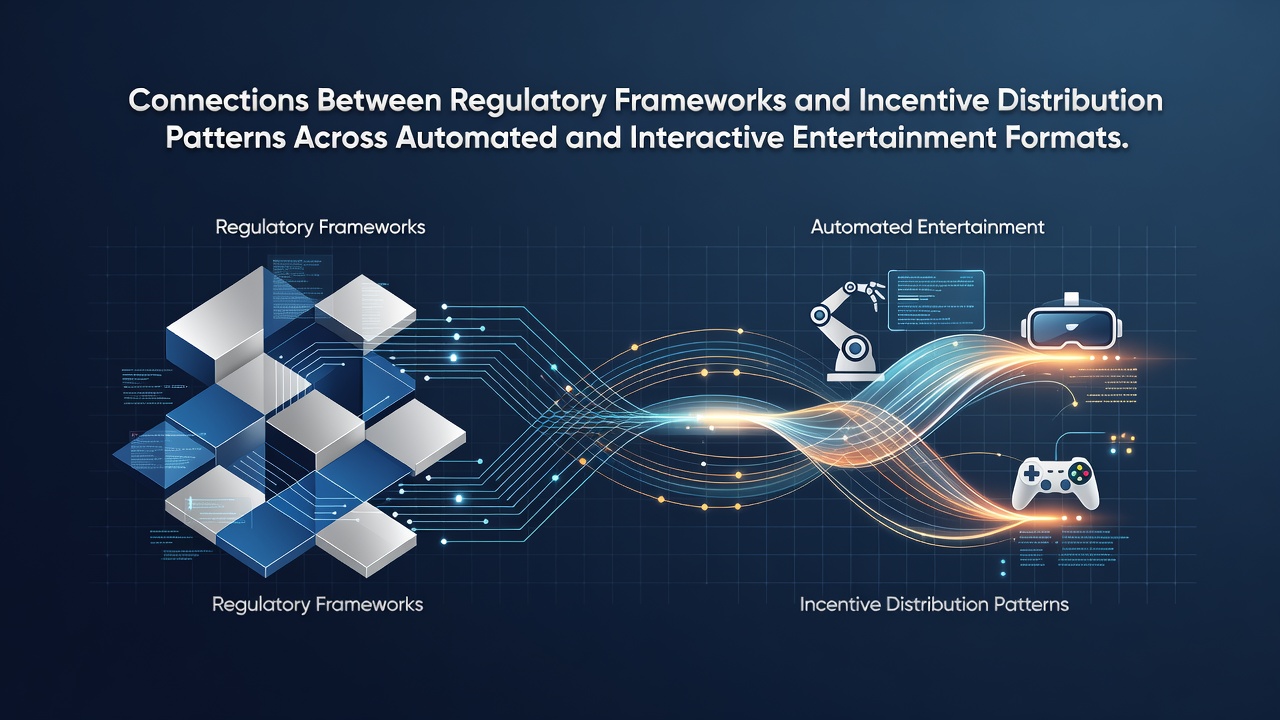
Regulatory frameworks establish the boundaries within which operators distribute incentives across automated formats such as slot machines and interactive formats including live dealer sessions, and data from multiple jurisdictions indicate that these rules directly shape how bonuses, free spins, and loyalty rewards reach players. Jurisdictions apply different compliance standards to each format because automated systems operate through algorithms while interactive options rely on real-time human participation, which leads regulators to impose distinct reporting and contribution requirements. Observers note that these distinctions produce measurable variations in incentive allocation, with automated games often receiving higher percentages of bonus pools in markets where regulators prioritize rapid transaction verification.
Core Elements of Regulatory Oversight
Agencies in regions such as North America and the Asia-Pacific zone publish detailed technical standards that dictate how incentive contributions calculate toward wagering requirements, and these standards differ when applied to reel-based games versus dealer-led tables. In automated environments regulators frequently require fixed payout percentages and transparent random number generator audits before operators release promotional funds, whereas interactive formats trigger additional oversight around dealer conduct and session timing that can delay or redirect incentive releases. Research indicates that operators adjust their distribution schedules to align with these audit cycles, resulting in automated formats receiving more frequent but smaller incentive drops compared with interactive offerings that receive larger but less frequent promotions after compliance reviews conclude.
Patterns in Automated Entertainment Formats
Automated platforms distribute incentives through programmed triggers such as deposit matches and loyalty points earned per spin, and regulatory caps on maximum bet sizes during bonus play directly influence how much value players extract from each reward. Data compiled by state gaming agencies show that jurisdictions enforcing strict game contribution caps allocate a larger share of total promotional value to automated titles because these formats generate higher transaction volumes and simpler compliance trails. Operators respond by structuring free spin packages and cashback offers around these volume metrics, which creates predictable distribution rhythms that regulators monitor through monthly reporting submissions.
Patterns in Interactive Entertainment Formats
Interactive formats introduce variables such as dealer pace and player decision timing that regulators address through separate licensing categories, and these categories affect how operators calculate incentive eligibility across live dealer tables and hybrid game shows. July 2026 saw several North American regulators issue updated guidelines requiring real-time session logging for interactive promotions, which has prompted operators to shift larger incentive portions toward formats with fewer timing constraints. Figures from industry reports reveal that interactive incentives more often tie to session duration milestones rather than spin counts, producing distribution patterns that emphasize retention over immediate volume.
Comparative Distribution Across Formats
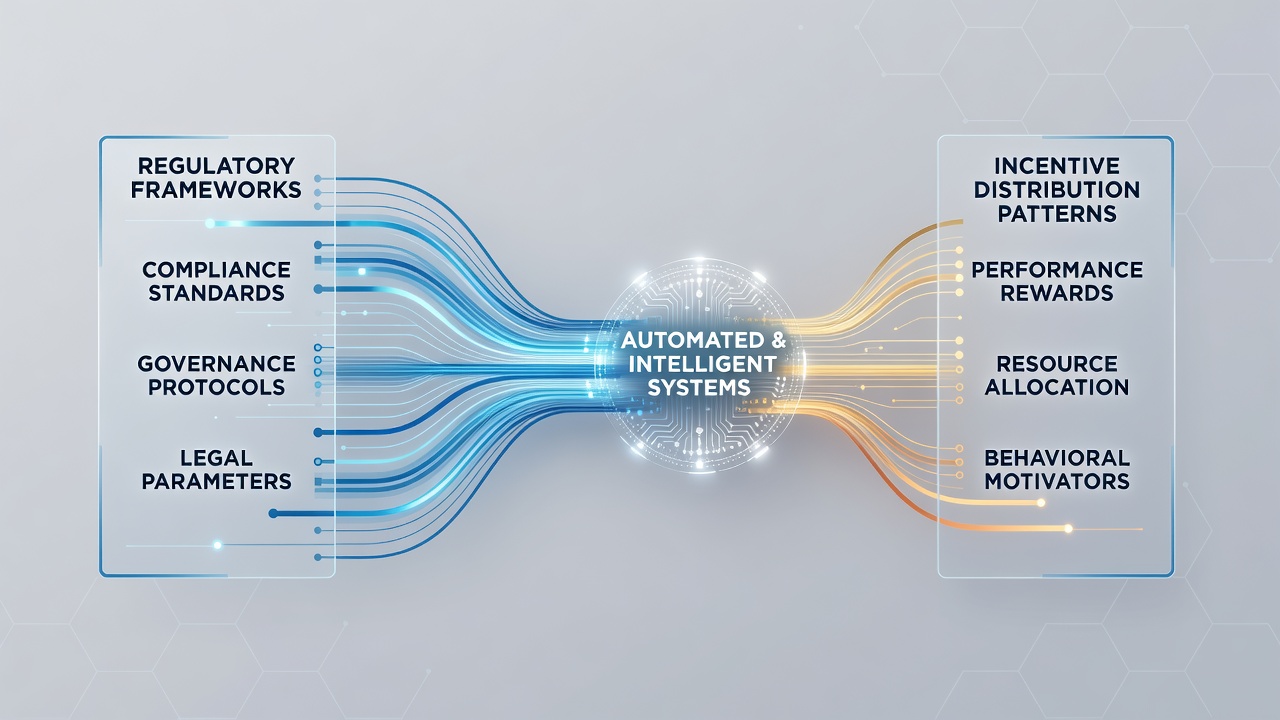
Cross-format analysis shows that regulatory emphasis on responsible gaming tools produces distinct incentive flows, with automated formats channeling more rewards through time-limited free play while interactive formats route incentives through loyalty tiers that reward consistent attendance. Agencies in Canada and Australia publish contribution matrices that assign different weighting factors to each format, and operators incorporate these weightings into bonus terms to maintain compliance while maximizing player engagement. Those matrices demonstrate that automated games typically contribute 80 to 100 percent toward wagering requirements whereas interactive sessions may contribute only 20 to 50 percent, which steers operators to reserve higher-value incentives for automated play to accelerate requirement completion.
Impact of Recent Regulatory Updates
Policy revisions implemented in mid-2026 across several jurisdictions refined how operators must disclose incentive terms across platforms, and these revisions created new reporting layers that affect distribution timing for both automated and interactive categories. Operators adapted by segmenting promotional calendars so that automated incentives align with automated audit windows while interactive incentives follow dealer certification renewal cycles. Evidence from regulatory filings indicates that these segmented calendars reduced compliance violations by measurable margins in the first quarter after implementation.
Conclusion
Regulatory frameworks continue to guide incentive distribution through format-specific rules that reflect the operational differences between automated and interactive entertainment, and the resulting patterns appear consistently across multiple markets. Operators maintain compliance by aligning promotional structures with audit requirements and contribution matrices, which produces measurable differences in how rewards reach players depending on the chosen format. Continued monitoring by regional agencies will likely sustain these distinct distribution pathways as new technical standards emerge.